Bedding • Materials & care
Wool-Filled Pads: Loft, Temperature Balance, and Care
A wool-filled pad can soften the feel of a mattress without replacing it. Its appeal rests on a combination of gentle cushioning, moisture management, and seasonal versatility—but the right choice depends on construction, fit, and how much upkeep you are prepared to provide.
A mattress is the bed’s foundation, but the layer directly beneath the fitted sheet can change how that foundation feels. A wool-filled pad adds a modest cushion, helps protect the mattress from everyday contact, and introduces a natural fiber with a notable ability to absorb moisture. It is not a substitute for a mattress that has lost its support. It is, instead, a way to adjust the surface and fine-tune the sleep environment.
That distinction matters. Bedding is often marketed in sweeping terms—cooling, restorative, all-season—as if a single material could settle every sleeper’s comfort questions. Wool has useful characteristics, but no pad can guarantee a particular temperature or solve the underlying causes of discomfort. Results depend on the pad’s fill, cover, thickness, how it is secured, the mattress underneath, the room, and the person sleeping on it.
For shoppers comparing a wool mattress pad with other bedding materials, the most useful questions are practical: How much loft does it add? Does it stay in place? Can it be washed, or does it need spot cleaning? And will its care instructions work in the household’s real routine? Answer those, and the choice becomes less about a promise on a label and more about how the layer will function night after night.
What a wool-filled pad does—and what it does not
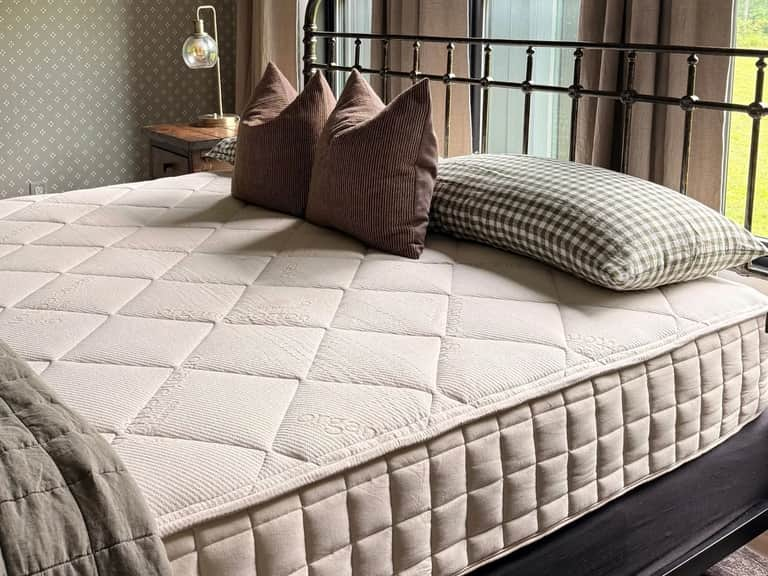
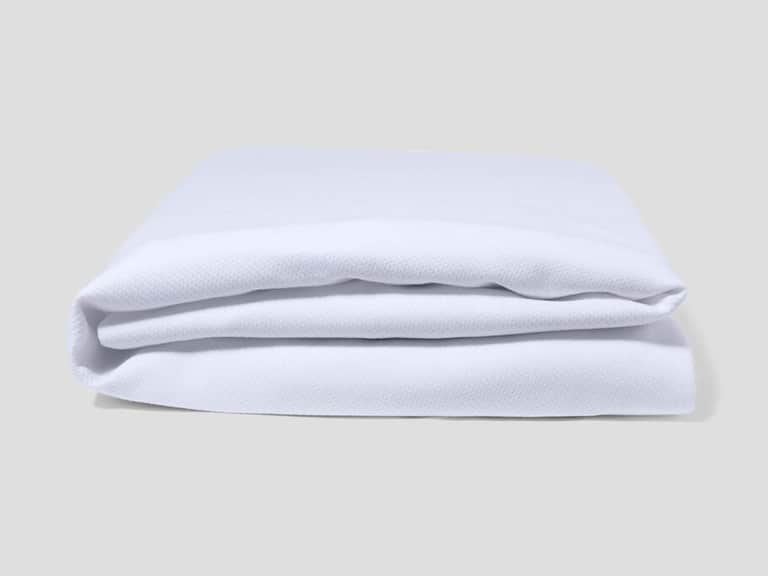
A bedding pad is a relatively thin layer that rests on top of a mattress. Depending on its construction, it may be designed mainly to protect the surface, add cushioning, or do some of both. Wool-filled versions typically place wool batting or loose wool fill inside a fabric shell. Quilting, stitching, or hand tufting can help keep the filling distributed across the pad.
Wool fibers naturally bend and recover, giving the fill some spring rather than the flat, dense feel of a rigid layer. The amount of cushioning varies: a lightly filled pad may contribute little more than a soft buffer, while a loftier version can create a more noticeable change. Neither necessarily alters the deeper support of the mattress. If a mattress sags, has pronounced body impressions, or no longer feels supportive, adding a pad is unlikely to correct the structural problem.
A pad also differs from a topper. The terms are not used consistently across the bedding market, so construction and thickness matter more than the name. A thicker topper is generally intended to make a more substantial change to the sleep surface; a pad is usually thinner and often easier to remove for routine care. Check product dimensions and construction rather than assuming that “pad” or “topper” signals a standard thickness.
Wool pads are not automatically waterproof, allergen-proof, or suitable for every sensitivity. Wool fill may help manage moisture within the bedding layer, but that is different from forming a barrier against spills. If liquid protection is important, look for a purpose-built protector and check its materials, care, and fit separately.
Loft: the feel beneath the sheet
Loft is the height and fullness of the filling. In a wool-filled bedding pad, it influences both the first impression and the way the layer settles under body weight. More loft can feel plusher, but thickness alone does not tell the whole story. Wool density, batting structure, quilting pattern, and the tension of the cover all affect how the pad compresses and rebounds.
A low-loft pad tends to preserve more of the mattress’s original feel. It may be a sensible option for someone who likes the current support but wants a softer contact surface or a little extra insulation. A higher-loft design may create a more cushioned sensation, though it can also make a fitted sheet harder to secure and alter the way a mattress feels at the shoulders and hips.
Sleep position can inform the decision, but it is not a formula. Side sleepers often notice pressure at the shoulder and hip more readily; back and stomach sleepers may prefer a surface that feels less yielding. Personal comfort, body shape, mattress firmness, and existing bedding all play a role. A pad can modify surface comfort, but it cannot reliably compensate for a firmness mismatch deep in the mattress.
Before buying, look for a stated thickness or fill weight, and ask what those measurements refer to. A pad’s advertised depth may describe the whole sewn product rather than the height of its wool alone. If specifications are sparse, that uncertainty is worth factoring into the decision. When possible, check the return policy and whether the product can be tested at home without compromising the option to return it.
Quilting and tufting are also more than decorative details. They help limit shifting or bunching of the fill, although no construction makes movement impossible over time. Regularly smoothing the surface and rotating the pad, where the care directions allow, can help it wear more evenly. If the pad develops persistent lumps or bare areas, its fill distribution may have changed.
Temperature balance and moisture management
Wool is often described as temperature regulating. The phrase can sound like active climate control, but the more grounded explanation is about fiber structure and moisture. Wool can absorb water vapor into the fiber while still feeling relatively dry at the surface, and a wool layer can provide insulation. Those properties may help moderate the sensation of dampness and support comfort as conditions change.
That does not mean wool cools every sleeper, or that a wool pad maintains one ideal temperature in every room. Warmth depends on the entire bedding system: mattress materials, sheets, blankets, sleepwear, room temperature, humidity, and individual physiology. A thick pad under a heavy duvet may feel warm; a lighter fill in a breathable bedding setup may feel quite different. People who tend to overheat should consider the full arrangement rather than relying on a material name alone.
Moisture management also has limits. Wool can absorb moisture, but it does not make perspiration disappear, and it still needs to dry. Adequate ventilation, clean and dry bedding, and following the manufacturer’s care directions remain important. If the sleep environment is persistently damp, or a pad remains wet after an incident, simply airing it briefly may not be enough.
For households that alternate between chilly nights and warmer seasons, wool’s insulating and moisture-handling characteristics can make it an appealing option across the year. Still, “all-season” should be treated as a description, not a guarantee. A sleeper who is comfortable in winter may find the same layer too warm in summer. Layering offers flexibility: a removable pad can be taken off when the room or body feels warmer, without changing the mattress itself.
Fit, attachment, and everyday use
A comfortable pad needs to stay where it belongs. Designs may use elastic corner straps, a fitted skirt, or another attachment method. Each has trade-offs. Corner straps can be simple to remove, while a skirt may offer broader coverage around the mattress. The important questions are whether the attachment suits the mattress depth and whether it holds without pulling the pad out of shape.
Measure the mattress, including any existing topper, before comparing sizes. Check the pad’s length, width, pocket depth, and the maker’s stated mattress-height range. A mattress with a tall pillow top or a thick existing topper may need more depth than a standard fitted design accommodates. If the pad is too small, corners may lift; if the fit is too loose, it may shift during the night.
Consider the fitted sheet, too. A new layer increases the total height of the bed, and a sheet that already fits tightly may no longer stay tucked. Deep-pocket sheets are not always necessary, but measuring the complete stack—mattress plus pad and any other layer—can prevent a familiar nuisance. A secure fit contributes to comfort as much as the fill does: even a well-made pad is frustrating if it gathers beneath the sheet.
Finally, think about how often the pad will be removed. A lightweight design may be easier to handle during laundry or airing; a heavier or bulky pad may be more demanding. That practical question is easy to overlook while shopping, yet it can determine whether the care routine is followed consistently.
Wool bedding care: read the label before the laundry
Care instructions vary considerably, and wool should not be treated as if every product can go into a washing machine. Some pads are intended for periodic airing and spot cleaning; others may permit a specific gentle wash. Water temperature, agitation, detergent, drying method, and the presence of a cotton cover can all matter. The manufacturer’s instructions should take precedence over general advice.
Before first use, check whether the pad should be aired, washed, or protected with a sheet. A removable cover, if present, may have different instructions from the filled pad itself. Do not assume that a care label for the outer fabric also applies to the wool filling. If the instructions are unclear, contact the seller or maker before cleaning rather than risk shrinkage, matting, or uneven drying.
For routine freshness, follow the product guidance on airing and rotation. A clean, dry, ventilated space can help bedding release trapped moisture. If a spill occurs, act promptly: blot rather than scrub, avoid saturating the fill, and use only the spot-cleaning method specified by the maker. A wet wool pad should be dried thoroughly before being covered again. Persistent dampness can lead to odor and may damage the bedding.
Use caution with heat and strong cleaning products. High heat, aggressive agitation, bleach, or unsuitable detergents may compromise fibers or construction. Machine drying is appropriate only when the care instructions explicitly allow it. A large pad that is difficult to dry evenly may need professional cleaning, but confirm that the cleaner is equipped to handle wool-filled bedding.
Regular sheet changes remain the simplest layer of routine hygiene: a sheet separates the sleeper from the pad and can be washed more frequently. That does not eliminate the need to care for the pad, but it can reduce how often the filled layer needs attention. If the pad has a removable washable cover, follow the stated schedule and instructions for that component.
A quick comparison checklist
When comparing wool-filled pads, use the same questions for each option. The goal is not to find the most elaborate description, but the construction that suits the bed and the household.
- Loft and fill: Is the thickness or fill weight stated? Will the layer preserve the mattress feel or create a more cushioned surface?
- Construction: Is the wool quilted, tufted, or otherwise secured? Does the design appear likely to hold the filling evenly?
- Materials: What are the fill and cover made of? Are claims about certifications or sourcing clearly explained and verifiable?
- Fit: What mattress sizes and depths does it accommodate? Will its attachment system work with the bed?
- Care: Is it spot-clean only, washable, or intended for professional care? Can it be dried thoroughly at home?
- Protection: Is it designed to guard against spills, or only to add cushioning? Do not assume a wool fill is waterproof.
- Household needs: Will its weight and care routine be manageable? Are there sensitivities or preferences that call for closer review of the materials?
- Returns and warranty: What conditions apply if the feel, fit, or care requirements are not suitable?
A useful comparison is specific. “Natural,” “breathable,” and “comfortable” may describe qualities shoppers value, but they do not answer questions about depth, attachment, washing, or protection. Product details and care labels offer a firmer basis for choosing.
How to decide whether wool is right for your bed
Start with the problem you want the pad to solve. If the mattress feels a little too firm at the surface, a cushioned layer may help, depending on its loft and the mattress beneath it. If the mattress is damaged or deeply worn, a pad is unlikely to restore proper support. If spills are the main concern, a waterproof protector is a more direct solution than a wool-filled pad.
Then consider the sleeper and the room. Someone seeking a natural fiber with some cushioning and moisture-handling capacity may find wool appealing. Someone who prefers a very cool, minimally insulated surface may want a lighter construction or a different material. Neither preference is more correct; the question is how the whole bed feels in use.
Finally, weigh care against benefit. A wool pad can be a durable, useful layer when treated according to its instructions, but a product that requires care the household cannot realistically provide may not be a good fit. Check the label before purchase, not after a spill. The best bedding choice is not just comfortable on the first night; it is manageable through seasons, laundry days, and ordinary wear.
The bottom line
Wool-filled pads offer a way to add surface cushioning while bringing wool’s natural resilience and moisture-managing qualities to the bed. Their loft determines how much they change the feel; their cover and attachment shape how they fit; and their care instructions determine how easy they are to keep fresh. Temperature balance is a potential benefit, not a promise of universal cooling.
Compare construction and measurements, confirm what the pad can and cannot protect against, and make sure the maintenance routine is realistic. With those details in view, a wool layer becomes easier to assess—not as a cure-all, but as a practical bedding choice whose value depends on the match between material, mattress, sleeper, and home.