 Mattresses
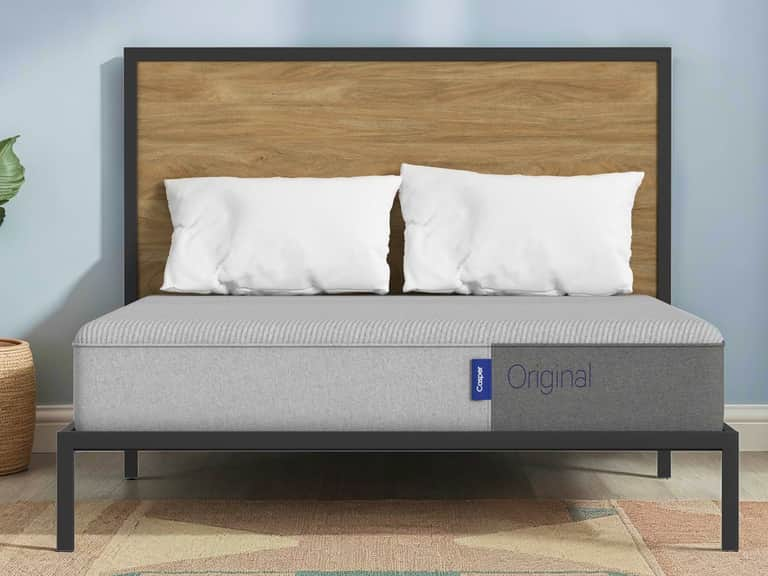
Original Mattress
Sleep cooler and more comfortable with Casper’s breathable foam, body-conforming support, and three-zone alignment that eases pressure and keeps your spine happy all night.
Foam mattresses are designed to provide balanced support and pressure relief through viscoelastic or polyurethane foams, adapting to body curves and sleep positions. This category emphasizes construction details, firmness options, and durability, helping readers understand how foam layers influence spinal alignment, motion isolation, and overall comfort for different sleeping styles.
In foam mattress design, layered architectures often combine memory foam for contouring with support foams for stability. Key characteristics to assess include density, open-cell structure, cooling technology, and edge support. Understanding these features helps determine suitable models for side, back, or stomach sleepers, and for optimizing sleep temperature regulation.
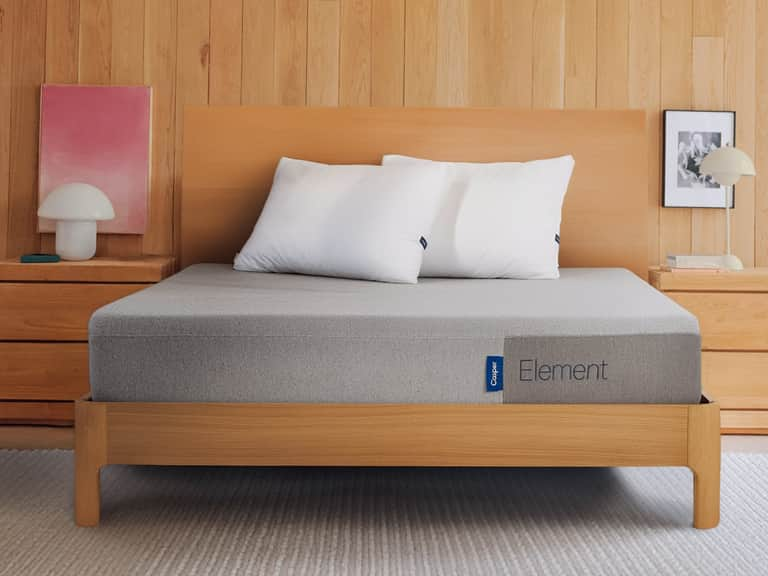
The Element Mattress exemplifies foam-based comfort with targeted zoning and responsive materials. It typically incorporates comfort layers that cushion shoulders and hips while a denser inner core maintains support. Functional benefits include reduced pressure points, improved spinal alignment, and relatively quiet performance for light to moderate movement.
When evaluating foam mattresses, consider durability indicators such as foam resilience, indentation load deflection, and cover materials. Maintenance benefits, including removable covers and breathability, contribute to longevity. Additionally, compatibility with different bed frames and foundations affects overall usability within various bedroom setups and nursery environments.
For bedding ecosystems, foam mattresses interact with complementary elements like latex toppers, pillows, and sheets to influence sleep quality. Understanding how foam responds to temperature, moisture, and load helps explain why certain combinations work well for nurseries or shared sleeping arrangements, reflecting the broader context of bedding products and sleep health.
Mattresses
 Mattresses